Why Do Calluses Keep Coming Back After You Remove Them?
You finally get that stubborn patch of rough skin feeling smooth again. Maybe you’ve been moisturizing or gently using a pumice stone. Then, a few weeks later, the same callus returns. Why do calluses keep coming back after you remove them?
Usually, it’s because the pressure or rubbing that caused the callus never went away. At From the Ground Up Podiatry, we help Seacoast patients understand what’s behind recurring calluses and how to make walking more comfortable.
Why Does the Same Callus Keep Coming Back?
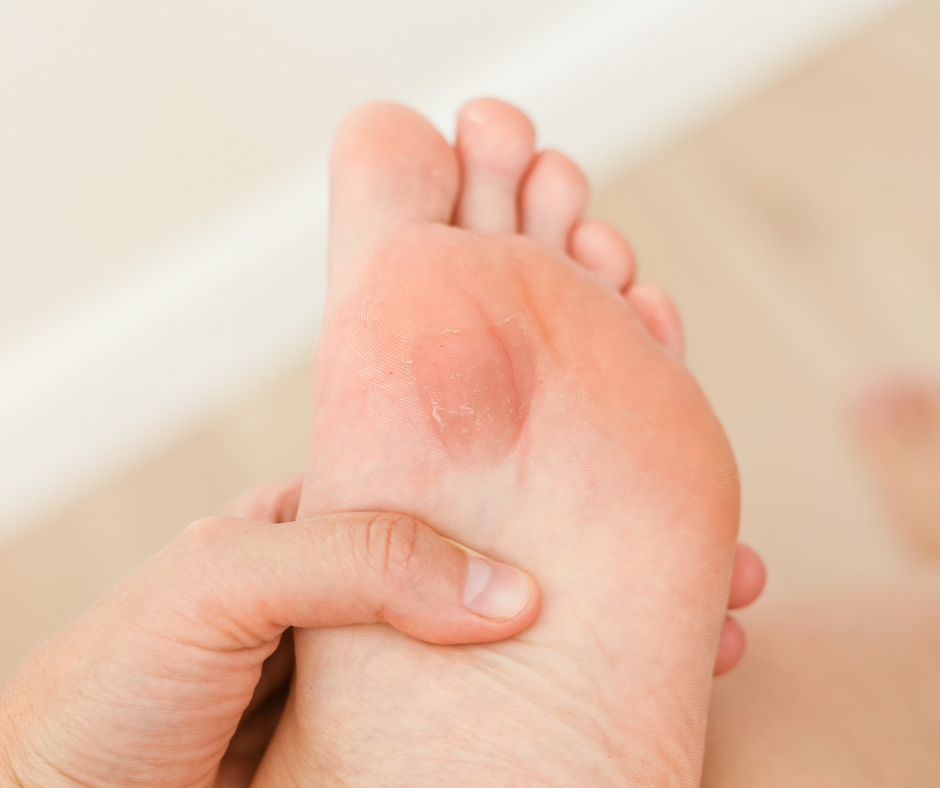
A callus is your skin’s way of protecting itself. When one spot gets repeated pressure or friction, the outer layer thickens. Removing that buildup can make your foot feel better, but it doesn’t necessarily change what caused it.
Maybe the ball of your foot takes extra pressure with every step. Or perhaps a toe rubs against your shoe. Bunions, hammertoes, prominent bones, and the way you walk can also create pressure points.
If that pressure stays, the callus has a reason to return.
Why Doesn’t a Pumice Stone Fix It?
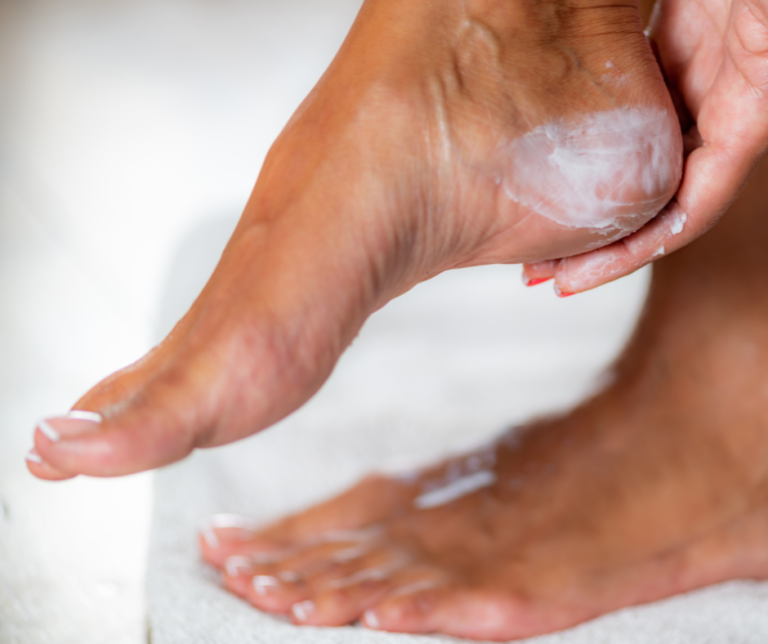
Moisturizer can soften dry skin, and gentle pumice-stone use may smooth surface roughness for people with otherwise healthy feet. But neither removes the underlying pressure point.
Avoid cutting calluses with blades or using harsh chemical removers without professional guidance. You could damage healthy skin underneath. If you have diabetes, poor circulation, or reduced feeling in your feet, don’t attempt callus removal at home.
Professional treatments for corns, calluses, and warts can address uncomfortable thickened skin while looking at why it formed.
What Actually Helps Keep Calluses Away?
The trick isn’t to scrub harder. It’s to give that patch of skin less reason to thicken again.
- Check your shoes. Do they pinch, slide, or rub the same spot? A better fit may help.
- Look at the location. A callus beneath your forefoot may need a different approach than one beside a toe.
- Ask about pressure relief. A podiatrist can assess whether padding, shoe changes, or inserts might redistribute pressure.
- Moisturize dry skin. This can help prevent cracking, even though it won’t correct pressure. If your heels are splitting, care for dry skin and cracked heels may help.
Not every callus can be prevented completely. Still, addressing the cause can make a meaningful difference in how your feet feel.
When Should You Have a Callus Checked?
A small, painless callus doesn’t always need treatment. But if it hurts when you walk, repeatedly returns, or develops deep cracks, it’s worth having a podiatrist take a look.
Redness, bleeding, drainage, or an open sore deserves prompt attention, especially if you have diabetes or reduced sensation. Comprehensive diabetic foot care includes checking for pressure areas and skin changes that might otherwise go unnoticed.
If you’re tired of dealing with the same sore spot, we can examine your feet, identify possible pressure points, and discuss practical ways to improve comfort.
You shouldn’t have to start over with the same callus every few weeks.
Barefoot Medical Spa and From the Ground Up Podiatry are united by one goal: restoring health and confidence by helping everyone and anyone to look and feel their best. Rejuvenation and recovery are just a step away, so contact us at our conveniently located Stratham, NH, office and schedule an appointment today!