Can “Barefoot” Shoes Handle Stratham Hill Park?
The Hidden Dangers of Minimalist Footwear on New Hampshire Trails
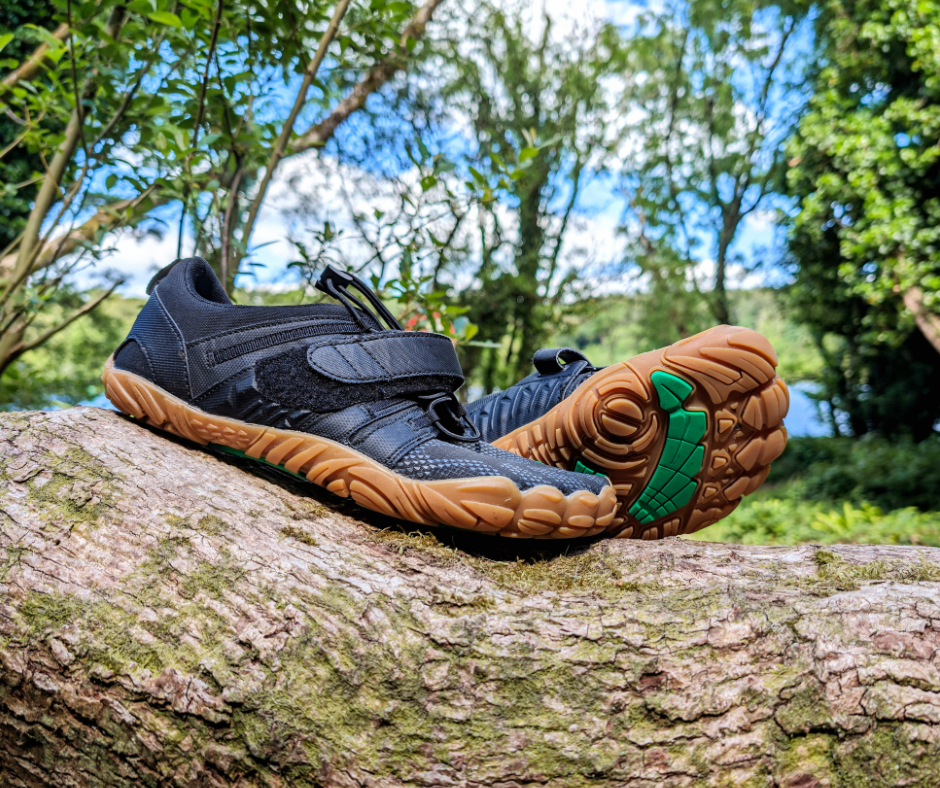
Exploring Stratham Hill Park is a New Hampshire summer staple, but ditching traditional boots for trendy “barefoot” shoes is a major shock to your biomechanics. Taking unsupportive, zero-drop shoes onto trails filled with roots and rocks forces your Achilles tendon to stretch dangerously far.
If a five-mile hike has left you with intense heel pain, do not try to “walk it off”! A two-minute read can spare you the overuse injuries and long-term complications. Barefoot Medical Spa and From the Ground Up Podiatry have put together the following blog to help you spot the signs, recover right, and stay stable on future treks.
The Appeal and the Danger of the Zero-Drop Trend
The minimalist shoe movement is built on the idea that walking or running as close to barefoot as possible strengthens the intrinsic muscles of the foot.
While this concept has some merit in controlled, flat environments, the reality of OUTDOOR hiking is vastly different.
- Standard hiking boots are engineered with a “heel drop,” meaning the heel rests slightly higher than the toes.
- This elevation subtly takes the tension off your Achilles tendon and calf muscles.
- When you abruptly switch to a “zero-drop” minimalist shoe, your heel is suddenly forced flat to the ground.
Doing this while climbing hills or navigating uneven terrain immediately overloads tissues that have not been conditioned for that level of flexibility.
Why Rugged Trails Require Rigid Support
Stratham Hill Park features a mix of dirt paths, steep inclines, and hidden rocks. Navigating this environment in a flexible, ultra-thin shoe exposes your foot to several immediate risks:
- Stone Bruises: Without a rigid midsole to act as a rock shield, stepping on a sharp root can severely bruise the delicate bones of your metatarsals.
- Arch Collapse: Minimalist shoes offer zero arch support, causing your foot to flatten out with every step and heavily straining the plantar fascia.
- Ankle Sprains: The lack of a structured heel counter makes your foot highly susceptible to rolling outward on uneven ground.
Warning Signs You Should Not Ignore
If your transition to minimalist hiking shoes has caused structural damage, your body will let you know. Pay close attention to these red flags:
- A sharp, stabbing pain at the bottom of your heel, especially during your first steps in the morning.
- A burning, stiff sensation at the back of your ankle that worsens after resting.
- Swelling or tenderness around the Achilles tendon after completing a hike.
Holistic Healing: The Medical and Spa Connection
You do not necessarily have to choose between massive, clunky boots and dangerous minimalist shoes. There is a middle ground, and comprehensive care is the key to finding it.
If the minimalist shoe trend has left your feet battered and bruised, our unique practice offers a dual approach to total recovery:
- Structural Podiatric Care: A Doctor of Podiatric Medicine can perform a comprehensive biomechanical evaluation to treat acute injuries like Achilles tendonitis or plantar fasciitis. We can work together and use non-surgical treatments to stabilize your arch, preventing future foot and ankle issues.
- Restorative Spa Relief: Structural healing goes hand-in-hand with muscle recovery. Our integrated medical spaoffers specialized treatments to alleviate the severe muscle fatigue, tension, and superficial soreness caused by zero-drop footwear overcompensation.
Do not let a footwear mistake ruin your summer hiking plans. To learn more about how we keep New Hampshire hikers on their feet, check out our other educational blogs or contact us to book your comprehensive recovery experience today.
Barefoot Medical Spa and From the Ground Up Podiatry are united by one goal: restoring health and confidence by helping everyone and anyone we can look and feel their best. Rejuvenation and recovery are just a step away, so contact us at our conveniently located Stratham, NH, office and schedule an appointment today!